
If you are new to warehouse racking, the first thing to understand is there is no one size fits all answer. The right system depends on what you are storing, how much of it you have, how fast it moves, how much space you have to work with, and what sort of forklift or handling method sits around it.
Some systems suit virtually every warehouse. Others are for very particular situations.
Selective Pallet Racking
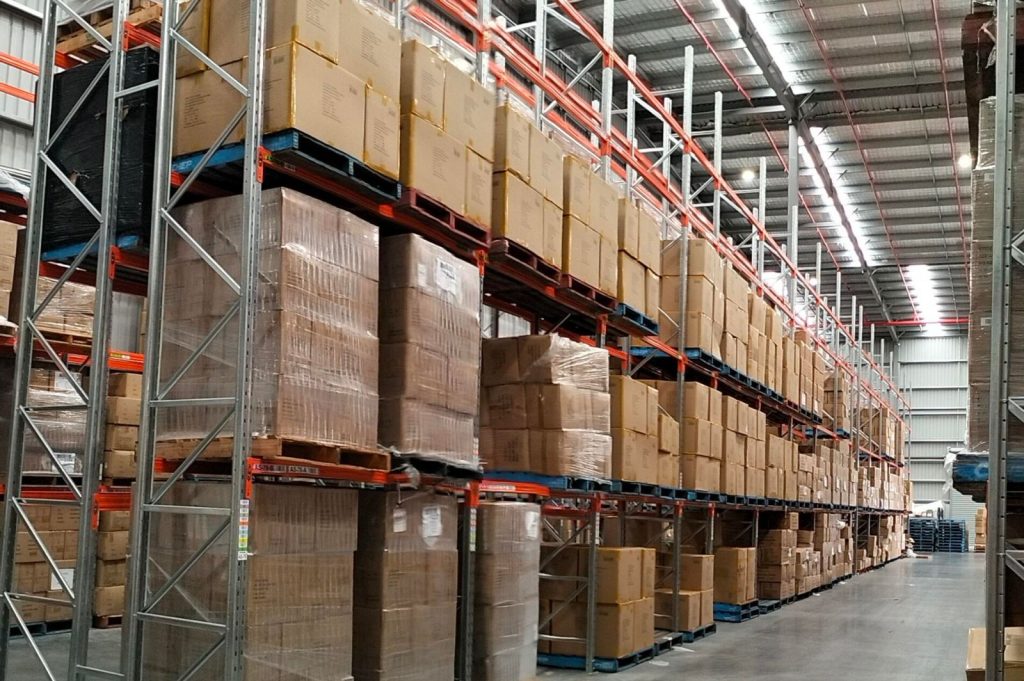
Selective pallet racking is the standard modular, semi rigid racking system most people are talking about when they say pallet racking. The frames are the vertical sections. The beams are the horizontal sections. They clip together and can be configured to suit different pallet weights, pallet heights and warehouse layouts.
Selective Pallet Racking is the one that would probably cover around 90% of storage requirements in industry. It is flexible and works in just about every situation. Warehouses, factories, distribution centres, bulky goods, tyre businesses, mezzanine style storage areas for smaller operations, the lot.
It is also the base system that gets adapted into other solutions. Carpet racking, tyre racking and conduit or pigeonhole style racking all grow out of the same basic idea.
If you want accessibility to every pallet and a system that can be modified as the business changes, this is generally where you start.
Drive In Racking
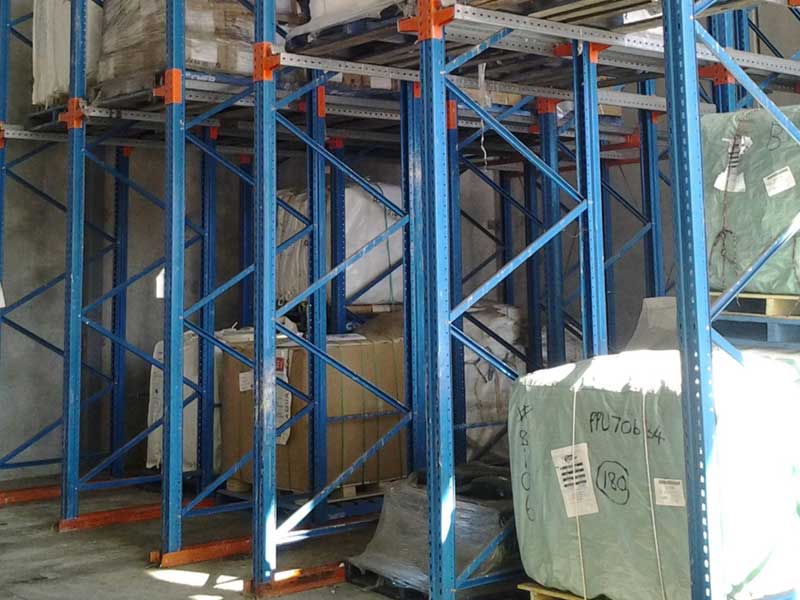
Drive in racking is for condensed storage of large volumes of the same product. It is a series of lanes where palletised goods sit on rails, up to four to five pallets high and somewhere between three to eight pallets deep.
The key thing with drive in is first product in, last product out. So if you have a large quantity of common stock with no product expiration issues or seasonality, it works very well. If you have lots of varied stock, it is usually not the right answer.
You tend to see it in distribution centres, cold stores, freezer stores and food operations where floor space is tight or expensive and businesses want to condense stock into as small a footprint as possible.
Cantilever Racking
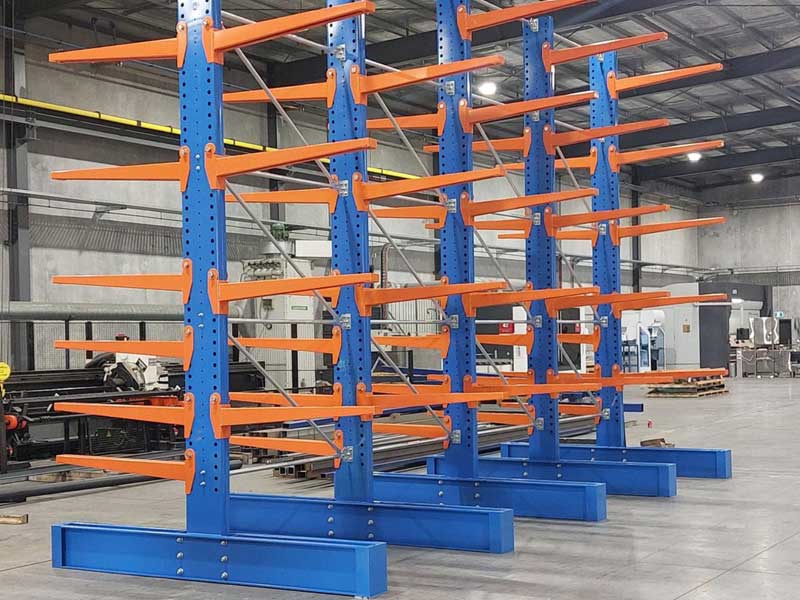
Cantilever racking is a series of columns with arms protruding out from them. That means you can store long goods without uprights getting in the road.
That is what makes it useful for long extrusions, timber, pipes, steel and similar materials. If the product is too long or awkward to suit normal pallet racking, cantilever is usually where you start looking.
You see it in timber yards, steel works, plumbing suppliers and anywhere people are handling long stock. It can sit inside, outside, along a wall, down the middle of a warehouse, just about anywhere really.
It is not particularly confined by building layout. It is more about the flow of long items and how people need to access them.
Long Span Shelving
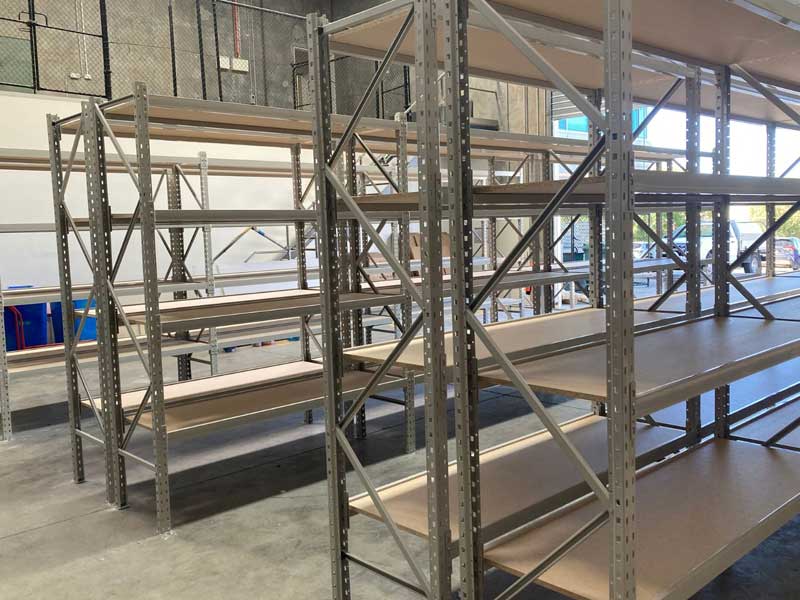
Long span is a modular medium to light duty shelving system. It looks a bit like pallet racking in that you have vertical uprights and horizontal beams, but it is built for shelf storage rather than pallets.
This is one of the most universal systems going. Retail, factories, warehouses, distribution centres, packing benches, work benches, spare parts, archive storage, hand loaded stock, it can do all of that.
Shelf surfaces can be particle board, mesh or galvanised sheet depending on what you are storing. So again, it is flexible and can be adapted to suit the product.
If selective pallet racking is the workhorse for palletised stock, long span is the workhorse for hand picked stock.
Tyre Racking
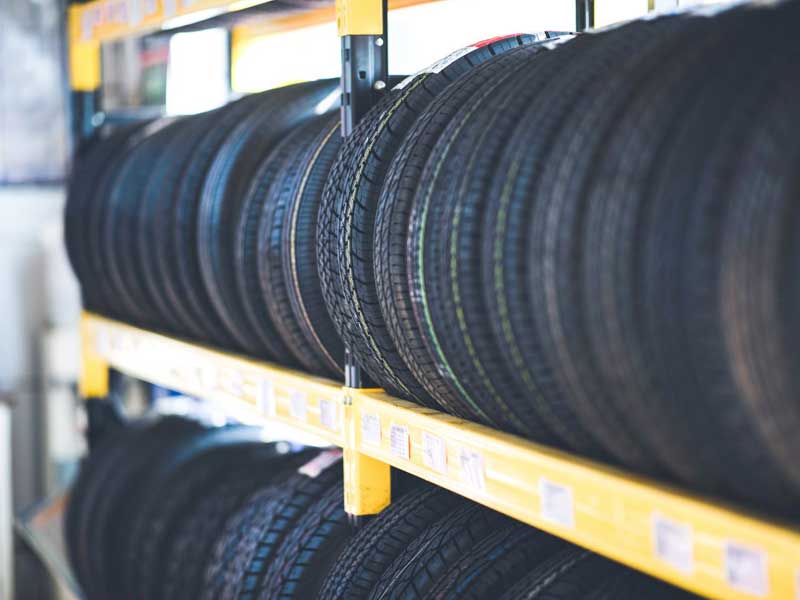
Tyre racking is really a specific configuration of racking designed so tyres can be stored vertically between the beams. That lets operators load tyres face out and store them in a way that is more accessible and more organised.
You see it in tyre shops and tyre distribution warehouses. It can work on the ground floor, on mezzanine style storage, in condensed picking environments, just about anywhere if it is designed properly
The point of tyre racking is not just storage. It is accessibility. If tyres are stacked the wrong way, people end up double handling them, wasting time and creating risk. Set it up properly and it becomes quicker, safer and gives you better use of the airspace.
Conduit and Pigeonhole Racking
Conduit racking and pigeonhole racking are really much the same idea. It is storage with divided sections so different long or awkward items can be separated from each other.
So if you are storing pipes, timber lengths, extrusions or products of different dimensions or grades, this system makes it easier to segregate them. That then helps with stocktaking, order picking and general storage.
You see it with timber merchants, plastic extrusions, flooring businesses and any operation where long stock needs to be separated simply and clearly.
It is not really tied to one specific warehouse layout. It is a pretty universal system.
Carpet Racking
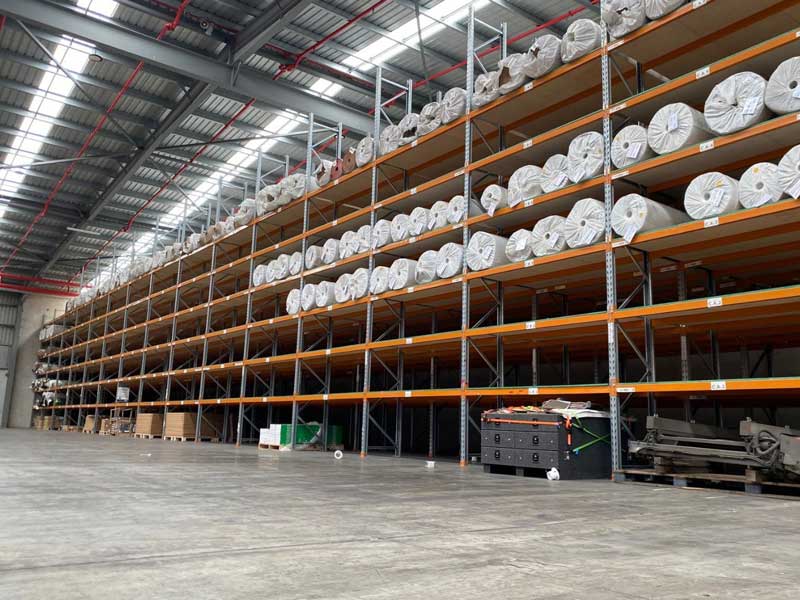
Carpet racking is pallet racking configured to store long rolls end on. So the roll goes into the rack with its end facing out, and the length disappears back into the storage bay.
It is most common in carpet and flooring warehouses, but you also see variations of it used for artificial grass and sometimes bulky furniture.
The main point here is that the racking is configured to suit long, awkward rolls that do not sit well in standard pallet storage. It is another example of taking a basic pallet racking system and adapting it to the product.
Second Hand Pallet Racking
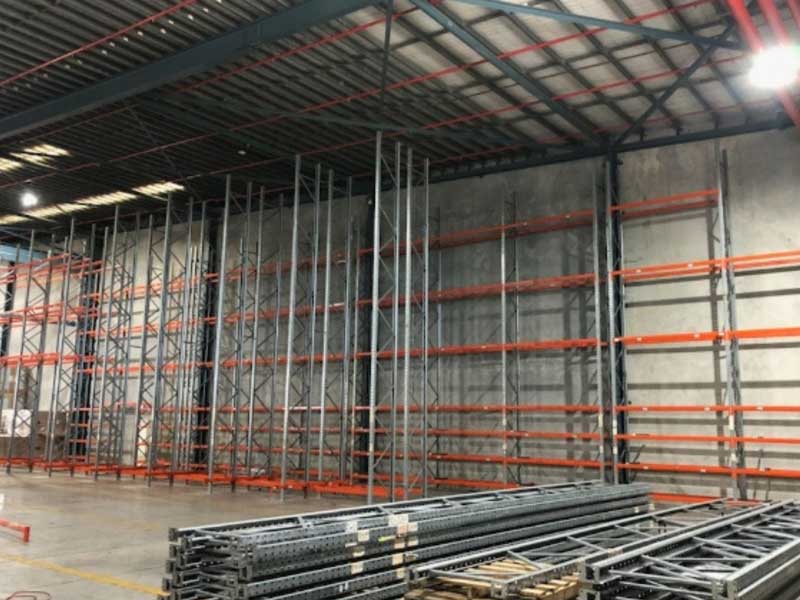
For businesses with a strict budget, second hand pallet racking can make a lot of sense. If the quality is right, you can save anywhere from 25% to 50% compared to new, and that budget can then be used elsewhere in the fit out, material handling equipment like forklifts, relocation or warehouse setup.
It tends to suit small to medium businesses particularly well, but larger businesses use it too, especially for secondary warehouses, expanding existing systems or when budget is under pressure.
The key is making sure the second hand pallet racking stock is high quality, compliant, and from brands that can still be supported. Cheap for the sake of cheap is where people get themselves into trouble. The trick here is to purchase directly from a pallet racking supplier rather than an auction or a business offloading their old racking on Gumtree directly due to a close down or warehouse relocation.
That comes back to a few basic questions.
What are you storing?
How much variety is in the stock?
How dense does the storage need to be?
Do you need access to every pallet?
What machinery are you using?
And how much room do you really have to work with?
If you have varied stock and need access to everything, selective pallet racking is usually the obvious answer for palletised goods. If you have large volumes of common stock, then something like drive-in starts to make sense. If you have long goods, you are probably looking at cantilever. If you are hand loading smaller items, long span shelving is usually the better fit.
That is why racking should never be treated as just buying steel and sticking it in a warehouse. It has to suit the operation. Otherwise you just end up building yourself an expensive problem.